RSS Feed

Category Archives: main dishes

A Lighter Browned Butter-Lemon or Meuniere Sauce

Butter and Lemon Make a Meuniere Sauce

Butter and Lemon Make a Meuniere Sauce

If you are looking for a quick and delicious sauce for your fish or vegetables, have you tried the rich flavor of browned butter and fresh lemon? It doesn’t take long to brown butter. Place a small amount in a large saute pan over medium high heat and watch it quickly turn light brown. That’s it! Add fresh lemon juice, salt and possibly chopped parsley. Voila!

Sole Meuniere is a classic French style of preparing sole fish and also the name of the resulting browned butter sauce. Traditionally, the fish is dredged in milk and seasoned flour and then fried in 6 Tablespoons of butter. Lemon juice and parsley are added and the resulting Meuniere Sauce is poured over the fish. Meuniere means miller’s wife which refers to it’s unelaborate rustic nature.

Cooking Light featured a lighter version that is delish! We used flounder, but any light fish fillet will work, such as swai, catfish or cod. Four fish fillets are seasoned and only lightly coated with flour and then quickly sautéed in a tiny bit of oil in a nonstick sautepan.  The fish is removed from the pan and kept warm. To the same sautepan is added 2 Tablespoons of butter which is browned over medium heat. Finish by adding 1 Tablespoon fresh lemon juice and 1/2 teaspoon salt (if using unsalted butter)  to pour over the fish. I don’t think you need the parsley.

Julia Child may not approve of this light version, but most everyone else will.

Follow this link to the Cooking Light recipe:

http://www.myrecipes.com/recipe/browned-butter-flounder-50400000132713/

Oh Crimini! Mushroom Meat Loaf

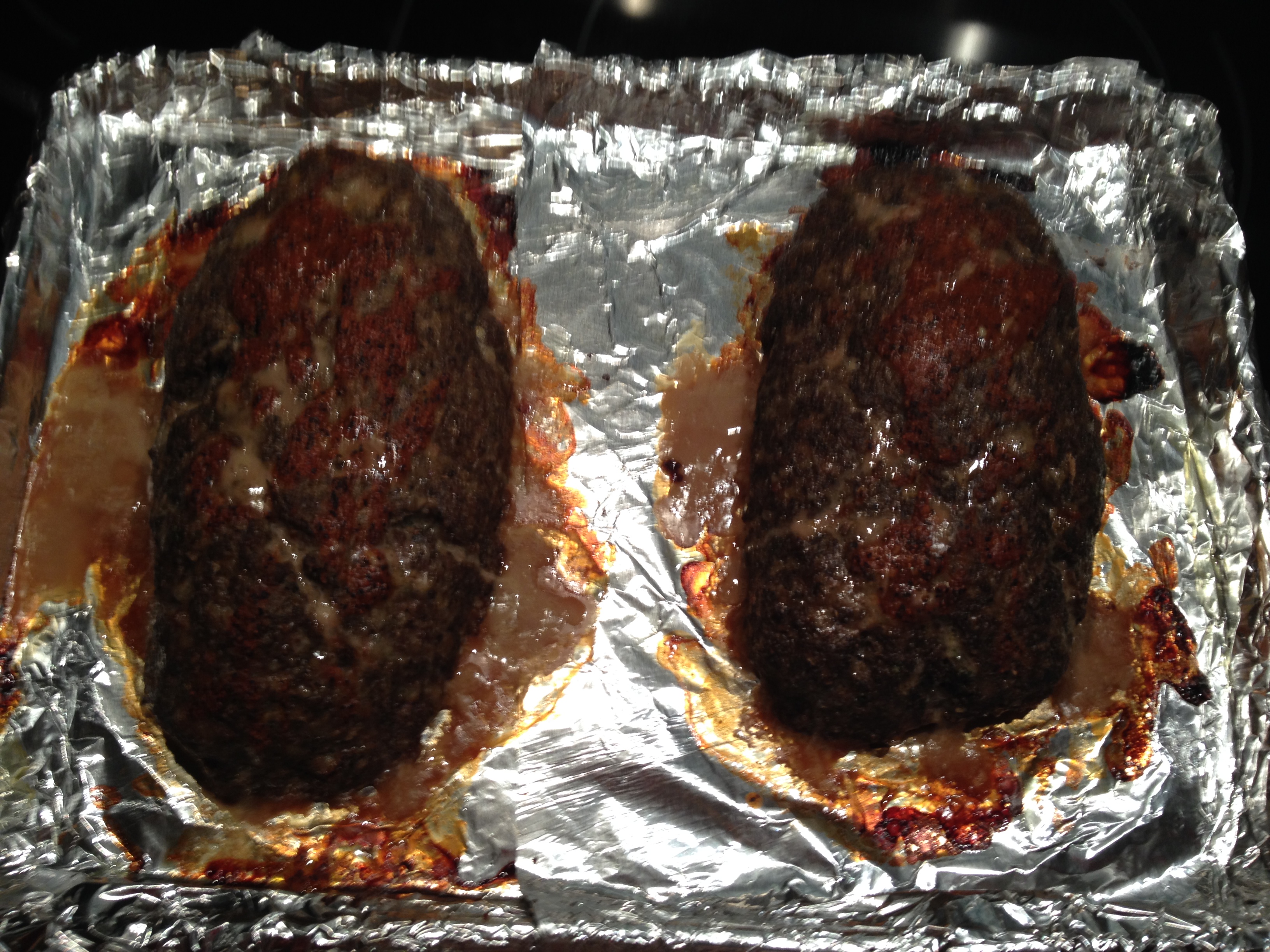
Crimini Mushroom Meat Loaf and Button Mushroom Meat Loaf

Crimini Mushroom Meat Loaf and Button Mushroom Meat Loaf

“Oh Crimini!”  Is it Crimini or Baby Portobello or Button or Portobello? Where have I been and maybe you too? News flash: white button mushrooms, when allowed to grow, become Crimini mushrooms, which if allowed to grow even further, become Portobello mushrooms. And what happens when you chop them up? They all look the same. So I made two meatloafs: one with the crimini mushroom and the other with the white button mushroom. Both of these recipes made with very lean beef and mushrooms replacing 1/2 the meat in the traditional format, are a much leaner version than the 1950’s man version.

The flavor is a bit more intense in the more aged mushroom, but depending on your taste buds, you may or may not tell the difference. My husband Dave, a meatloaf connoisseur,  insists the crimini mushroom meat loaf is more flavorful, in a good way, than the white button mushroom meat loaf. I can not tell much of a difference, but then, I am not a real mushroom fan. It’s one of the very few foods I don’t like. It all relates to getting sick once…….

Oh Crimini!… For Crimini’s Sake!… In memory of these expressions my Dad, Ray Sanders, and his sister Lois Zuro often used, I could not help but compare 🙂

For more on the origins of “for criminy’s sake”  or for Christ’s sake, see below:

http://heyarnold.wikia.com/wiki/Criminy

Further info about the Agaricus bisporus strain of mushroom, see below:

http://en.wikipedia.org/wiki/Portobello_mushrooms

1 pound crimini or white button mushrooms

1 Tablespoon olive oil

1 1/2 cups finely chopped onion

6 large cloves garlic, minced

2 Tablespoons sherry or Marsala wine

2 teaspoons fresh thyme

1/2 cup panko breadcrumbs

1/2 teaspoon kosher salt

1 teaspoon black pepper

1 pound 90% lean ground sirloin beef

1 jumbo or 2 large eggs

Oil or cooking spray for pan preparation

2 Tablespoons hot sauce or ketchup

  • Preheat oven to 375 degrees. Cover a baking sheet with foil and spray with oil lightly.
  • Place half of mushrooms in food processor to mince. Repeat with the remaining half. Do not process all at once.
  • Heat a large skillet over medium high heat. Add 1 Tablespoon oil and swirl to coat.
  • Saute onions until tender. Add garlic and sauté 1/2 minute, stirring constantly.
  • Add mushrooms and cook and stir several minutes until liquid evaporates and mushrooms slightly brown.
  • Add sherry and thyme and cook 1 minute, stirring. Remove from heat.
  • In a large bowl combine panko, salt, pepper, beef, egg and mushroom mixture. Combine thoroughly. I use my clean hands.
  • Shape the meat loaf into an oval on the prepared baking pan.
  • Bake for 20 minutes. Brush top with hot sauce or ketchup.
  • Bake another 10-15 minutes or until an instant read thermometer registers 160 degrees.
  • Slice into 1 inch slices. Serves 6-8.
  • Thank you Cooking Light Magazine for this inspiration.

Coconut Curry Swai

Ingredients for the Coconut Curry Swai

Ingredients for the Coconut Curry Swai


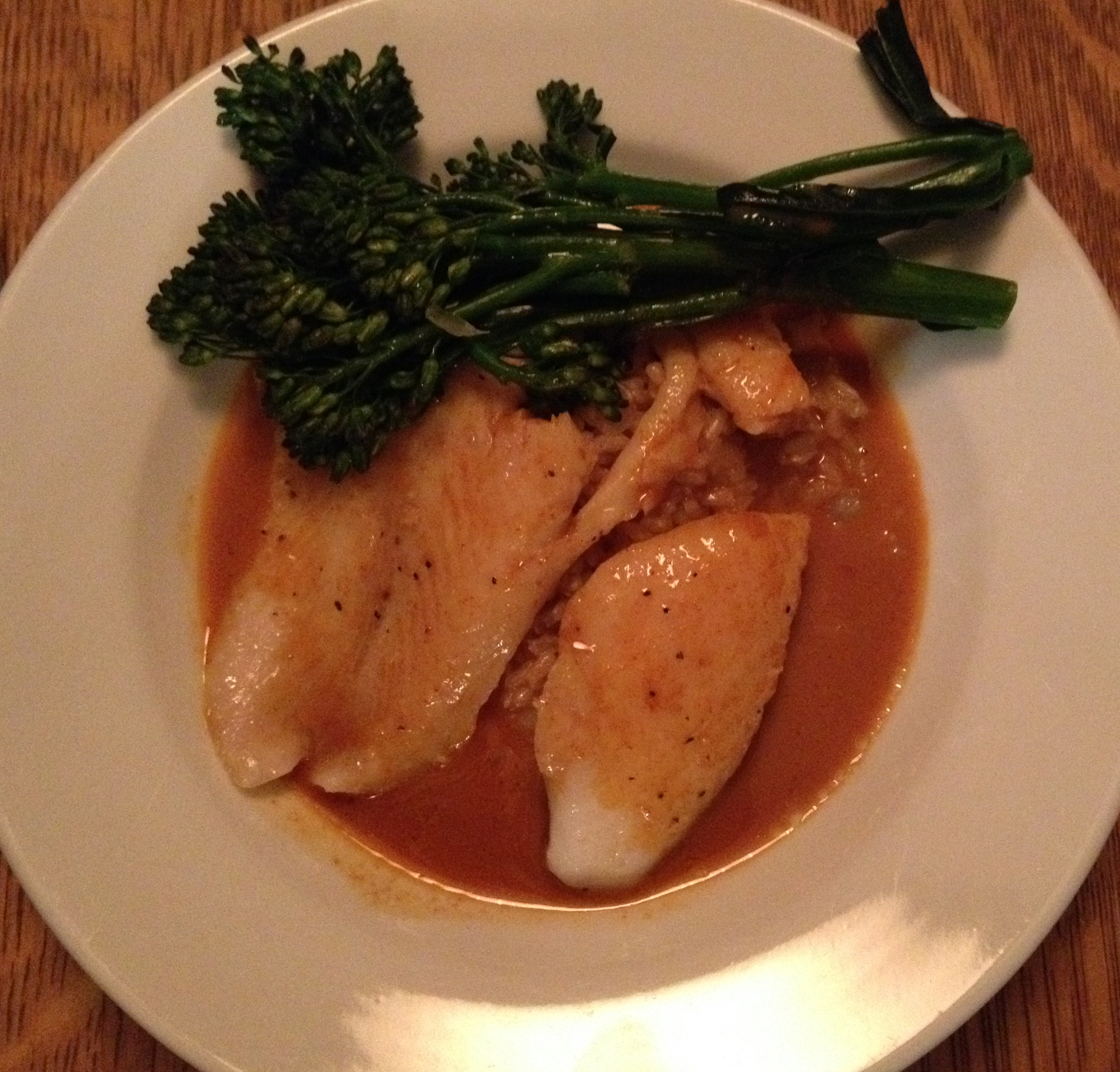
Swai Coconut Curry

Served over Brown Rice with Steamed Broccolini

I have made this curry a few times. Here are two different methods, both easy. The quickest method is to simmer together for 10 minutes the coconut milk, brown sugar, curry paste and soy sauce in a saucepan. You may want to add more of these seasonings to taste. Another option is to simmer and reduce the sauce to half. Definitely use light coconut milk for this version. After simmering, in both of these methods, stir in the lime juice, mint and basil and let stand over the heat several minutes.

Swai is a light mild fish that is very inexpensive. We prefer it to tilapia. Halibut is expensive in the Midwest. Another option is to serve this with chicken. Broiled organic chicken thighs are great, or chicken breasts if you prefer! The Swai cooks quickly over medium high heat in a lightly oiled non-stick sauté pan. Season before sautéing.

For more info about Swai, see the link below:

http://www.consumerreports.org/cro/news/2009/01/what-the-heck-is-swai/index.htm

You can serve this with brown rice, but for a lower carb choice, try my Cauliflower Mash. Mound the cauliflower in the middle of the plate. Place the fish or chicken on top and pour the curry over all. Serve with steamed broccolini or red peppers.

Coconut Curry Chicken Over Cauliflower Mash with steamed Broccolini

Coconut Curry Chicken Over Cauliflower Mash with Steamed Broccolini

1 (14-ounce) can coconut milk or light coconut milk

1 1/2-3 tablespoons brown sugar

2-5 tablespoons curry paste (depending on the degree of heat you like)

1-2 tablespoons lower sodium soy sauce

1-2 tablespoons rice vinegar

1 tablespoon lime juice

3 mint sprigs, optional

3 basil sprigs

1 tablespoon canola  or olive oil

4  (6-ounce) swai, halibut, tilapia, or cod fillets

Salt and pepper

Genoese Basil Sauce/Pesto

All the ingredients you need to make pesto! All the ingredients you need to make pesto!
IMG_7265 Take a stem of leaves in one hand and wipe the leaves with the other using a damp paper towel
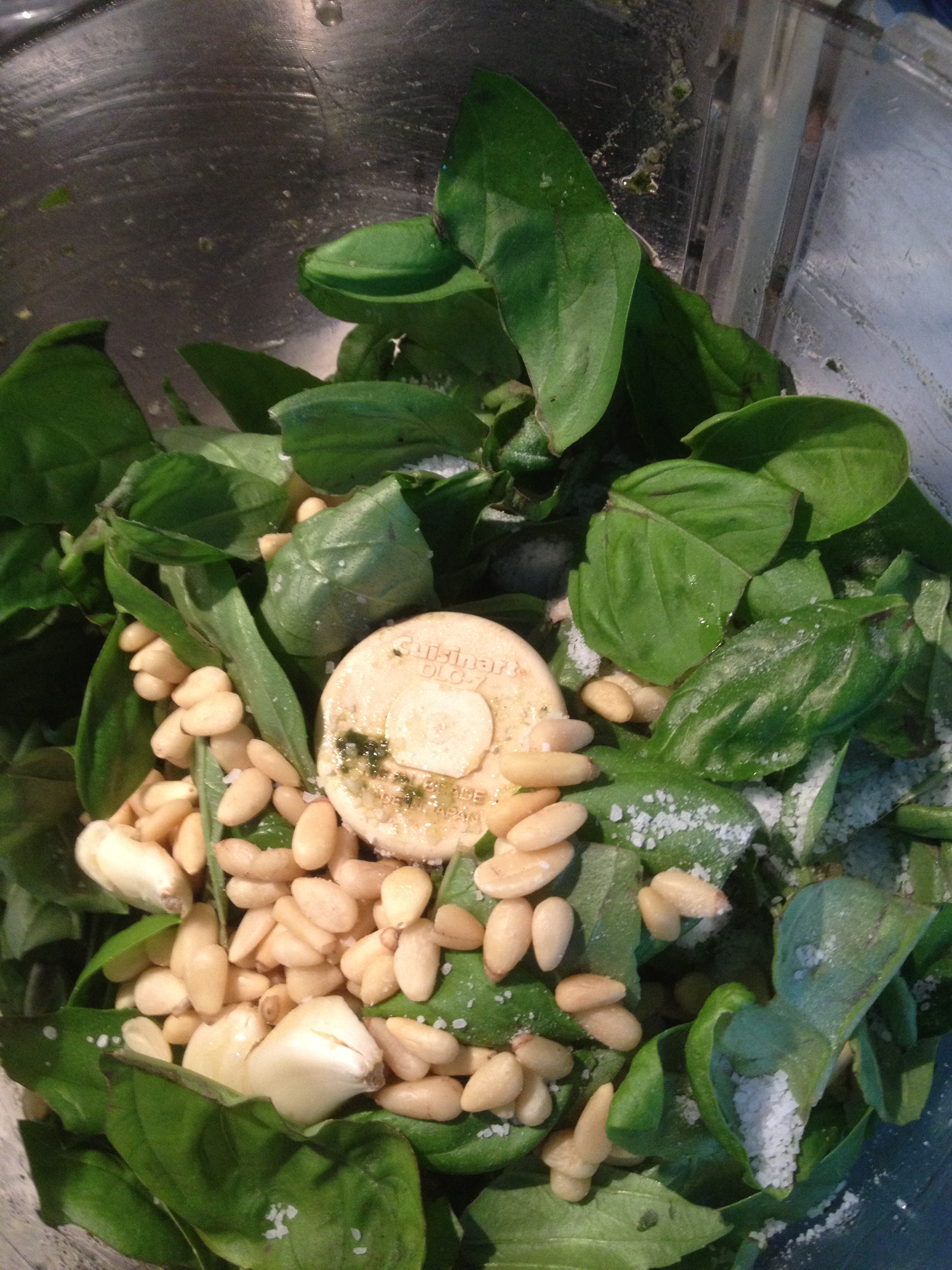
IMG_7275 Add to the food processor the basil, pine nuts, garlic, salt and olive oil
IMG_7271 Pureed ingredients before adding the cheese. You can freeze the sauce at this point and add the cheeses at a later date when you are ready to serve the Pesto.
IMG_7282 Pour the pureed mixture into a mixing bowl
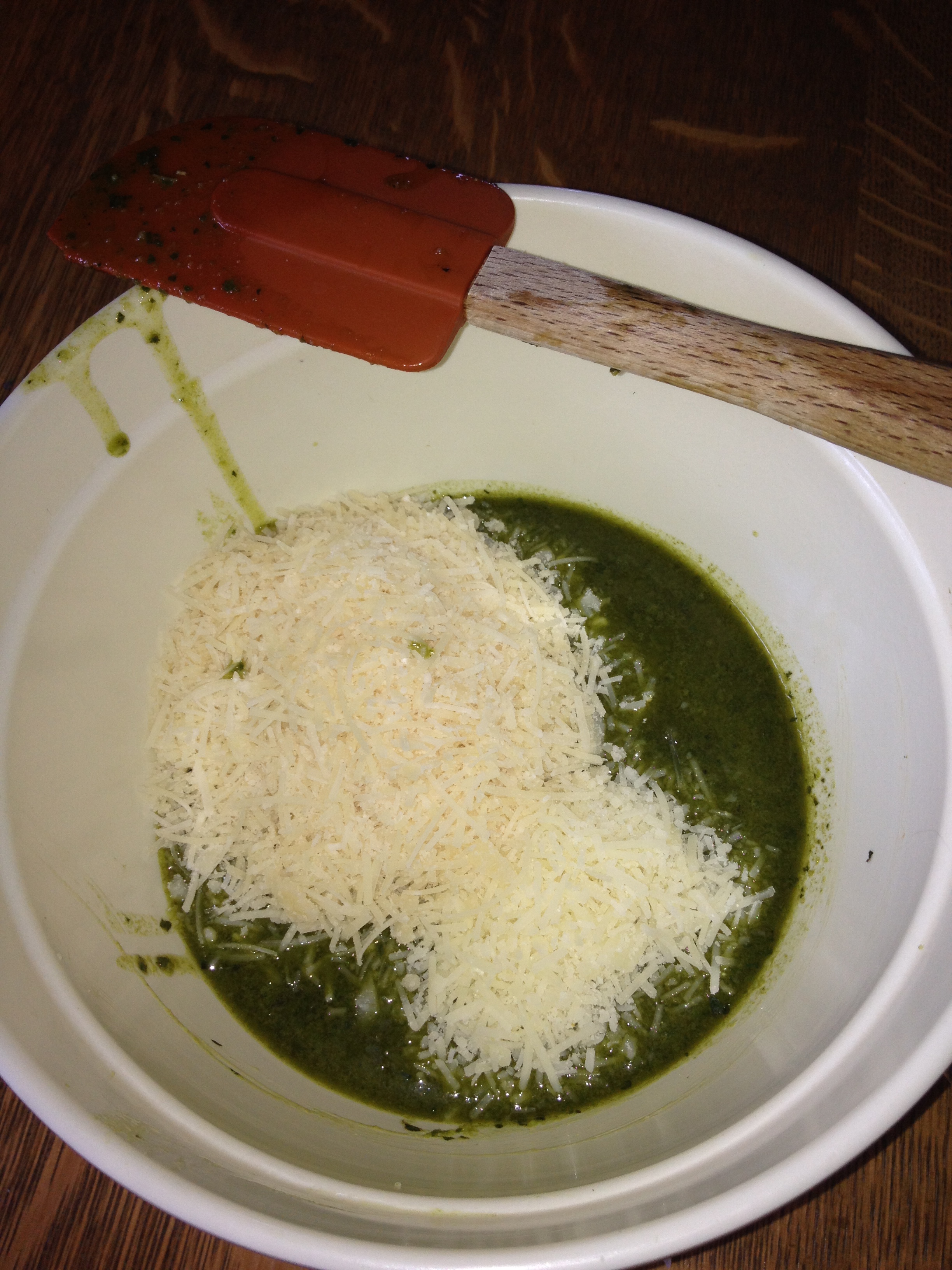
IMG_7285 Add the Parmesan and Romano cheeses
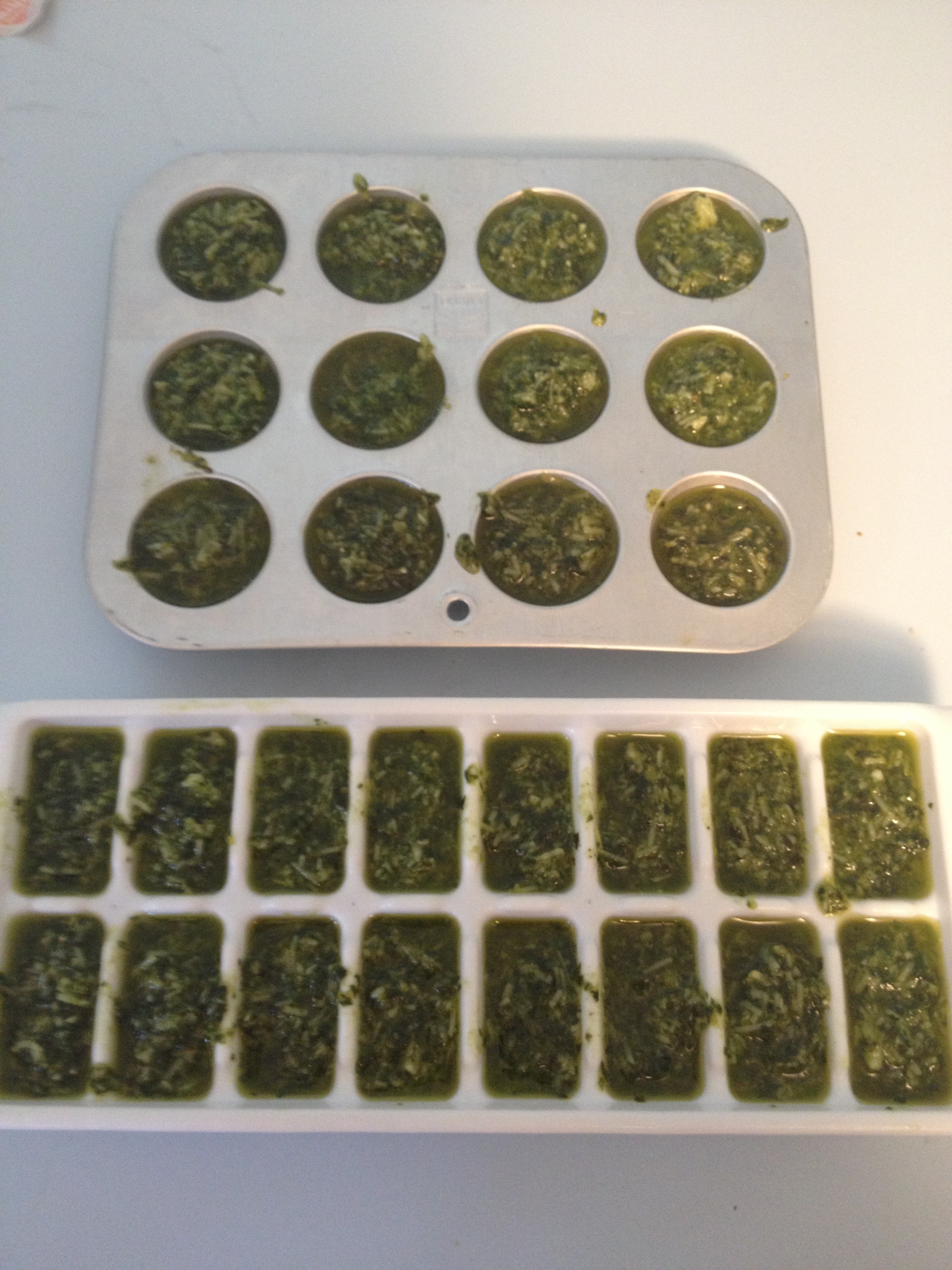
IMG_7289 Pesto ready for freezing in the ice cube trays and mini muffin tins. When frozen, pop them out and store in Ziploc freezer bags or cartons in the freezer

Pesto ready for the frig!
Dave’s basil was bountiful this year. He filled two large garden pots with 4 plants each. The leaves were not huge and since the plant was beginning to flower, I cut it all down and made five batches of pesto today. That’s about 20 cups of fresh basil leaves!

I have two other Pesto recipes posted on my blog. Today’s recipe is closest to the traditional Genoese Basil Sauce. Genoa is the city where Pesto originates. Christopher Columbus was Genovese and he carried pesto on his ships to the New World, the Nina, the Pinta and the Santa Maria. I wonder why I remember all this?

This recipe is to be made in a standard size food processor. It is an adaption of Marcella Hazan’s from her cookbook, The Classical Italian Cookbook. A well-rounded pesto is never made with all Parmesan or all Romano. Marcella and I use 4 parts Parmesan to 1 part Romano in this recipe.

Ingredients

4 cups fresh basil leaves, lightly wipe the leaves with a damp paper towel to clean. Basil does not like to be wet and will brown quickly. I grab a stalk with one hand and then with a damp paper towel wipe the leaves. Then gently tear leaves into two or more small pieces. Be careful not to crush the basil. The purpose is to make fairly even sized pieces for uniform measuring. I prefer the traditional green leaf basil. It makes a nice bright green pesto. The purple basil produces a darker brown-green pesto.

1 cup olive oil

4 cloves garlic, lightly crushed with a heavy knife and peeled (don’t over do the garlic; a very large clove counts as 2 cloves)

2 teaspoons Kosher salt

1/4 cup pine nuts, (about 1-1.5 ounces)

1/4 cup freshly grated Locatelli brand Romano cheese (other brands are fine, but this is my favorite)

1 cup (about 1/4 pound) freshly grated Parmigiano-Reggiano cheese

Instructions

1. In a food processor place the basil, olive oil, pine nuts, garlic cloves and salt. Process with the knife blade until pureed. Do not overprocess or allow the basil to heat up. Scrape the sides of the bowl during processing.

2. Pour the sauce into a medium size bowl and stir in the cheeses.

3. Freeze pesto in ice cube trays  or tiny muffin tins and when frozen, place the cubes in a freezer carton or bag for storage in the freezer. You can also store the pesto in a jar in the refrigerator by keeping a layer of olive oil on the surface and covering with a lid. Presto!

4. Serve with pasta as the original recipe. Use as a spread on tomatoes and fresh mozzarella or sandwiches and bruschetta. Add as a flavoring to soups, sauces and stews. Use as a marinade for chicken.

OPTIONAL: Instead of freezing with the cheese, omit the cheese and add it instead after thawing the cubes. This will give a fresher flavor, but is another step in your preparations.

The Original Pasta with Pesto

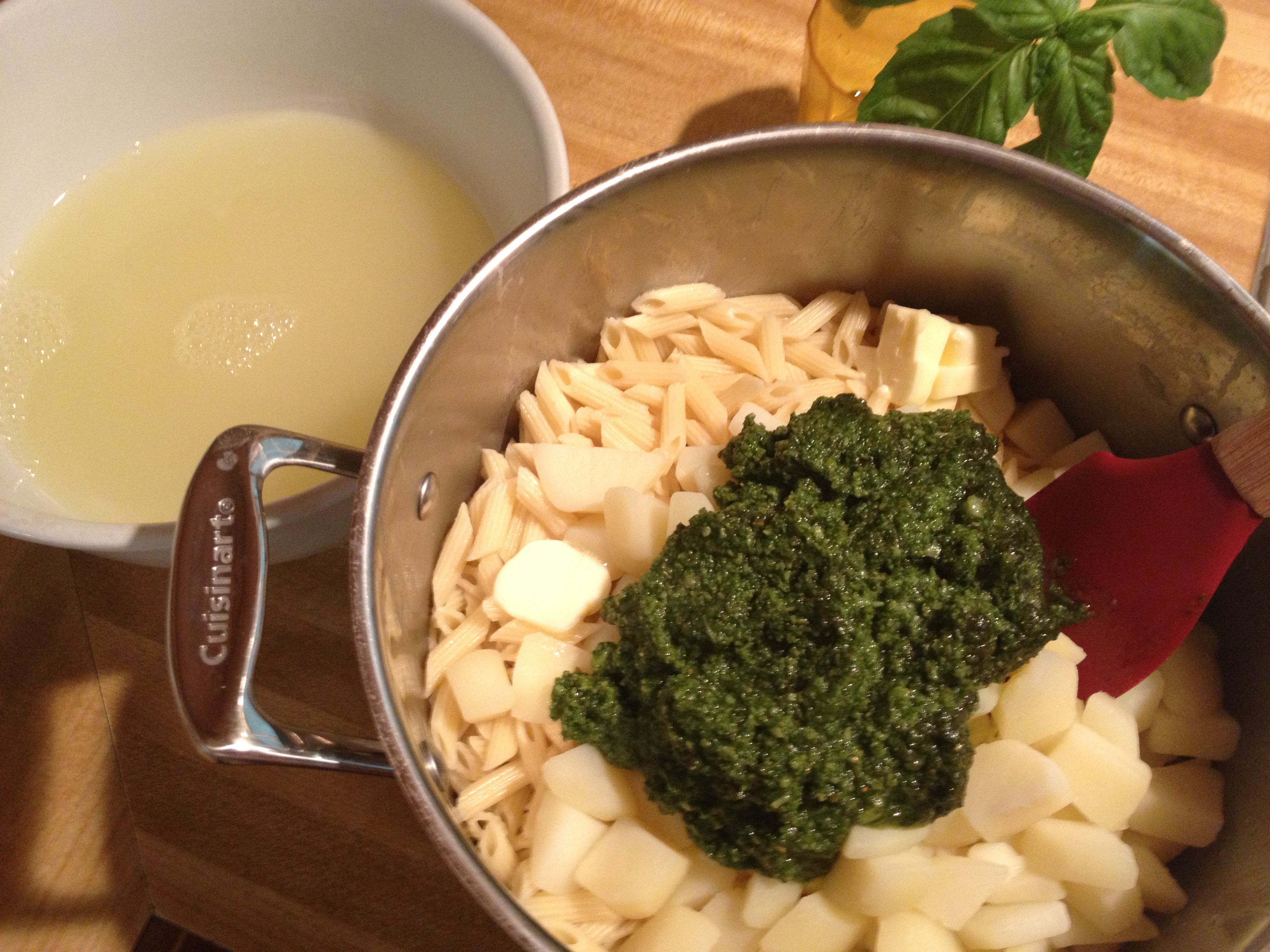
Pasta, potatoes, pasta water, butter and pesto ready to be beaten together

Pasta, potatoes, pasta water, butter and pesto ready to be beaten together

This is a more involved Cooks Illustrated recipe from the July August 2013 edition. Here is the link. You may need an online subscription to view the recipe. http://www.cooksillustrated.com/recipes/detail.asp?docid=40063

This recipe is very interesting for many reasons:

  • The pine nuts and unpeeled garlic are toasted in a 10-inch skillet. The toasted garlic had less of a bite and strong flavor as the fresh garlic does.
  • Boiled Potatoes are added
  • Potatoes are cooked in a large quantity of water. This water is then used to cook the pasta
  • A large quantity of pasta water is added back to the pasta, pesto and potatoes (over 1 cup)
  • The pasta and all it’s ingredients are beaten together as the final step. I have seen this kind of beating of the Risotto ala Milanese by our friends the Nebuloni’s in Milan.

I made this without the green beans and I used mini penne instead of the gemelli.

It tasted heavenly. The double batch I made was sent home as leftovers. Pasta with Pesto is a family favorite, so it was natural to make enough of this new version for leftovers.

BBQ Spiced Chicken Thighs

BBQ Spiced Chicken Thighs

BBQ Spiced Chicken Thighs

A summer time BBQ enjoyed over the 4th, even though the Cooking Light original July 2013 recipe is broiled 🙂 Very easy with little prep time.

In a small bowl combine:

1/4 cup dark brown sugar

4 teaspoons chili powder

1 teaspoon paprika

1 teaspoon cumin

1 teaspoon garlic powder

1/2 to 1 teaspoon cayenne pepper

Spread the mixture over 12 boneless skinless chicken thighs BBQ over hot coals with the lid on. Turn after 10 minutes and BBQ another 5 minutes. Check for doneness.

Pork or Chicken Marinated Kebabs

Marinated BBQ Chicken Thighs

Marinated BBQ Chicken Thighs

This is a recipe adapted from Cooking Light, May 2013. The first time we made it with pork tenderloin, which was delish! Tonight we used boneless chicken thighs which were equally fabulous!

In a large zip-top bag combine:

1/2 cup lower-sodium soy sauce

2 tablespoons fresh lemon juice

2 tablespoons ketchup

2 tablespoons brown sugar

1 tablespoon Worcestershire sauce

3/4 teaspoon crushed red pepper flakes

1 tablespoon crushed garlic

Add and mix well:

2 pounds pork tenderloin, trimmed and cut in 2 inch pieces or 2 pounds boneless chicken thighs

Seal bag and refrigerate at least 1 hour.

Preheat charcoal grill.

Remove pork from bag and discard marinade.

Skewer pork or chicken onto 8 6-inch skewers.

Grill about 3 minutes per side.

Serve with brown rice and grilled vegetables. You could easily add grated fresh ginger and sesame oil for a more Asian flavor.

Romano High Temperature Fish Fillets

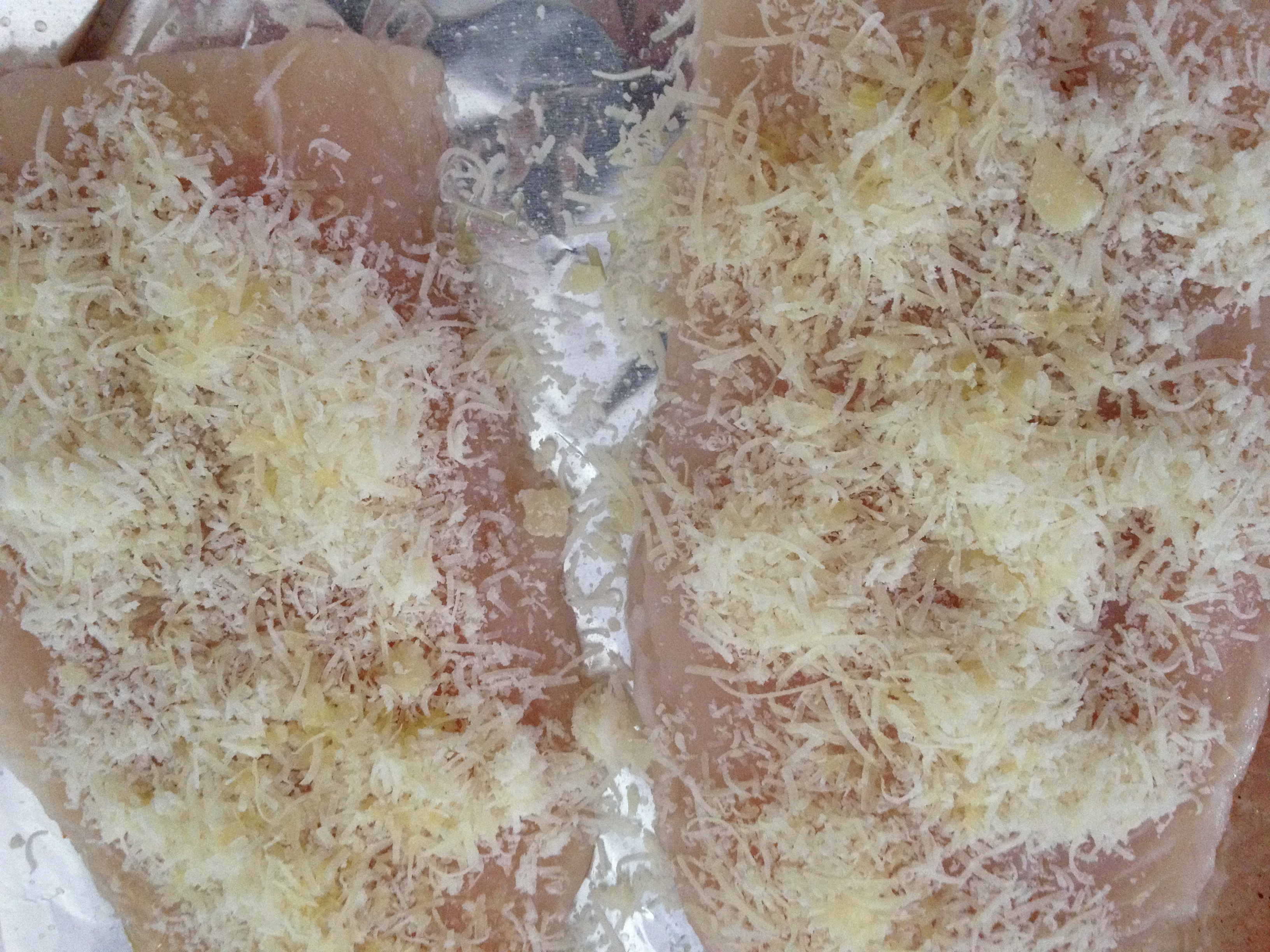
Grated Romano over Swai Fillets

Grated Romano over Swai Fillets

IMG_6431

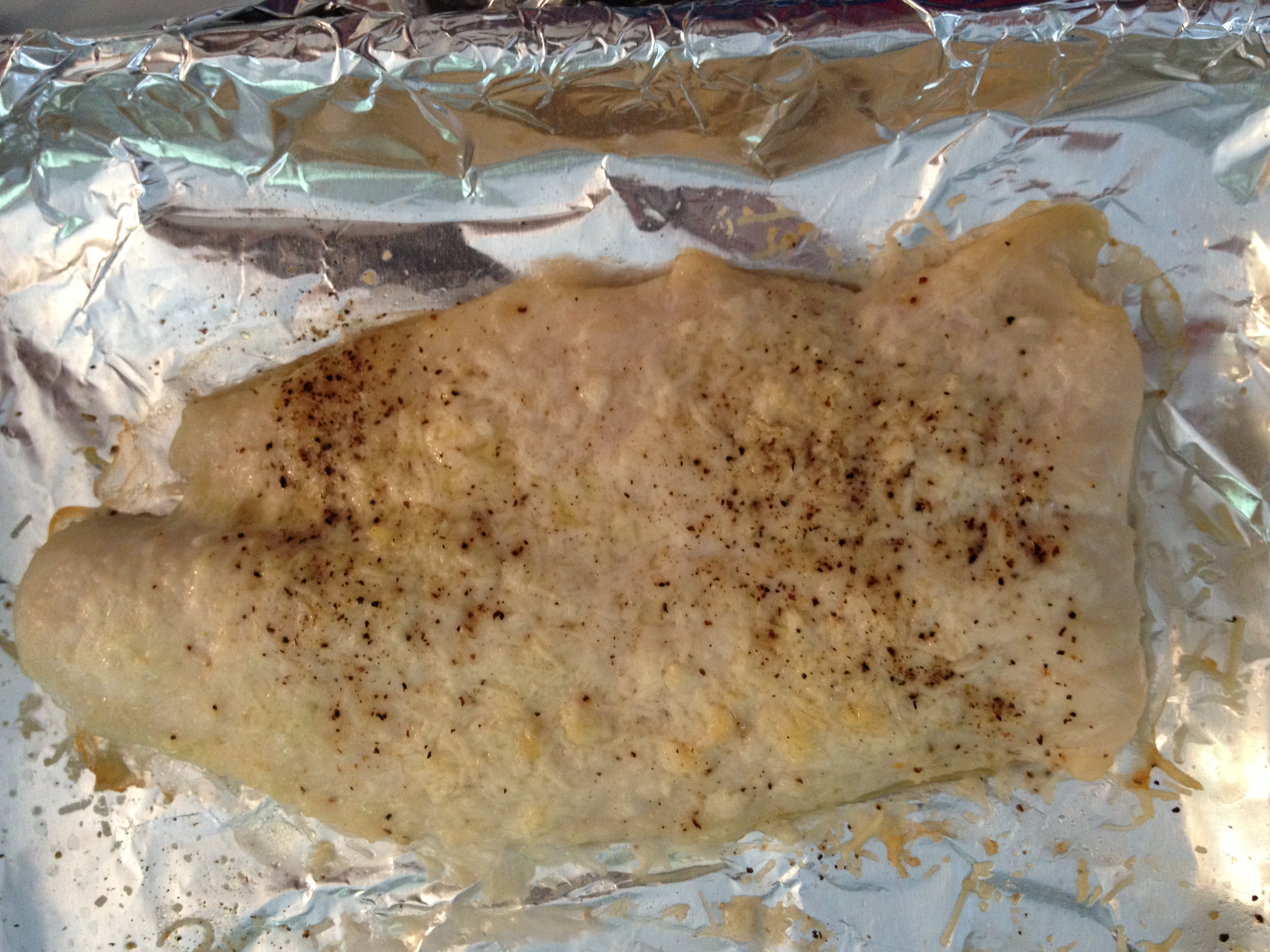
Dave found these Swai fillets at Kroger and were they delish! He covered a baking sheet with foil and placed the fillets down and sprinkled them with finely grated Romano cheese. Locatelli is a reliable brand we use. After grinding black pepper over, he gave them a light spray of olive oil.

The secret is in the baking. High temperature for a short time. Preheat your oven to 500 degrees and bake for 5 minutes, depending on the thickness of your fillets. We prefer our fish on the moist side,  not overdone and dry. Serve pronto! Remember the fish continues to cook after it’s out of the oven!

Swai is a mild fish similiar to catfish. It is inexpensive and for more info go to http://news.consumerreports.org/money/2009/01/swai.html

Spanish Tortilla/Frittata

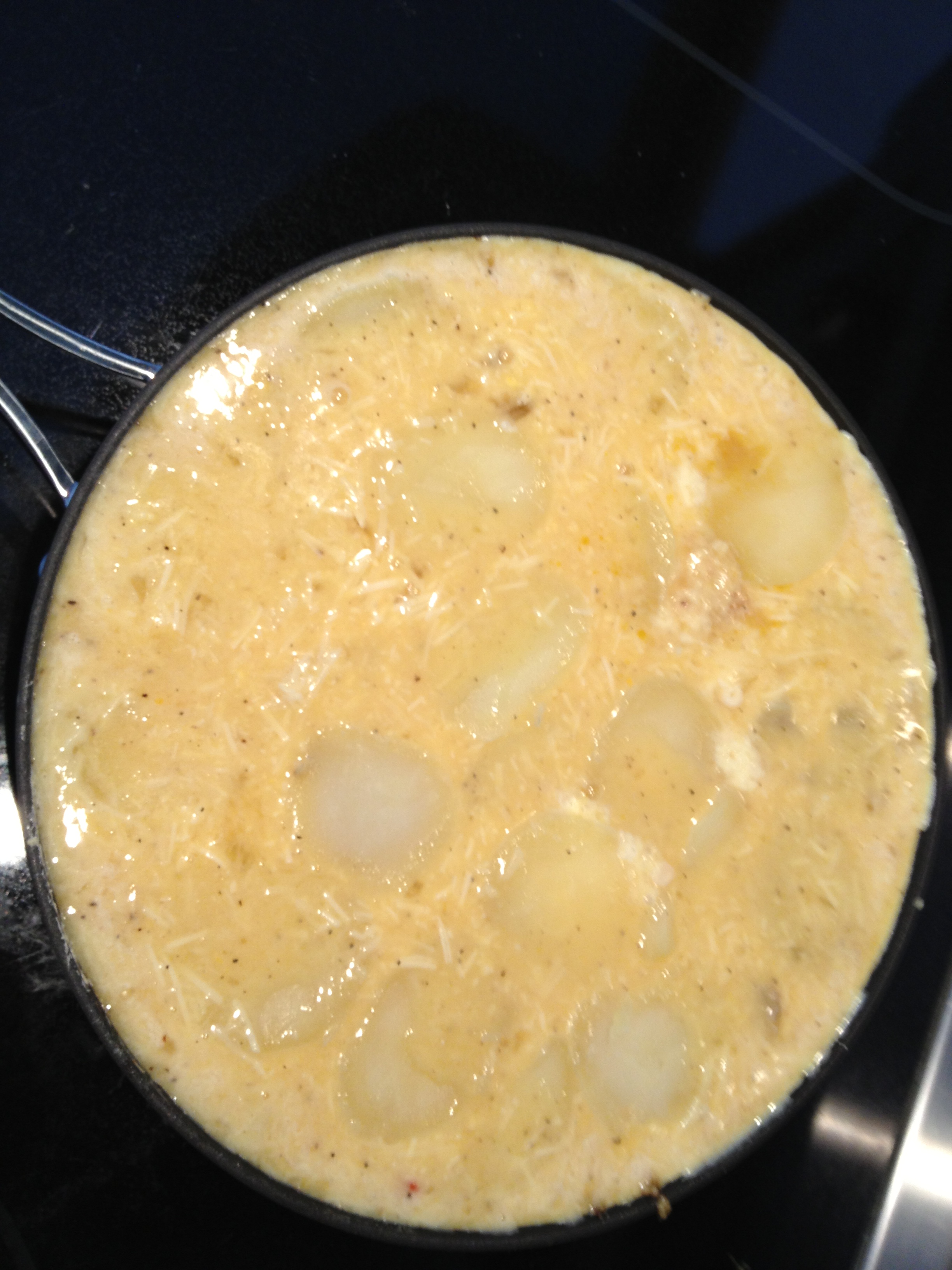
The tortilla initial cooking on the stovetop before baking

The tortilla initial cooking on the stovetop before baking


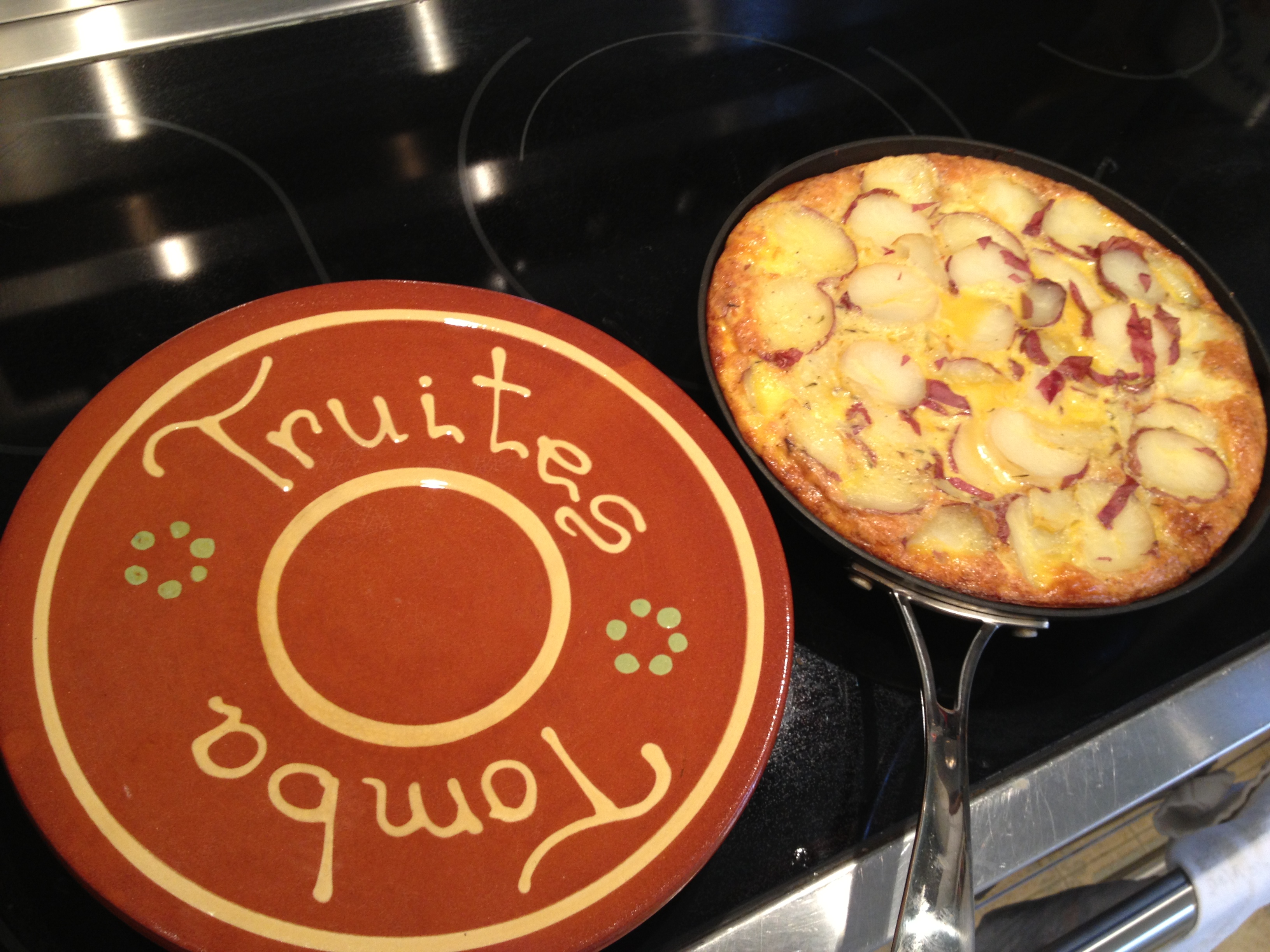
Platter from Breda (Girona) in Catalunya.

Platter from Breda (Girona) in Catalunya.


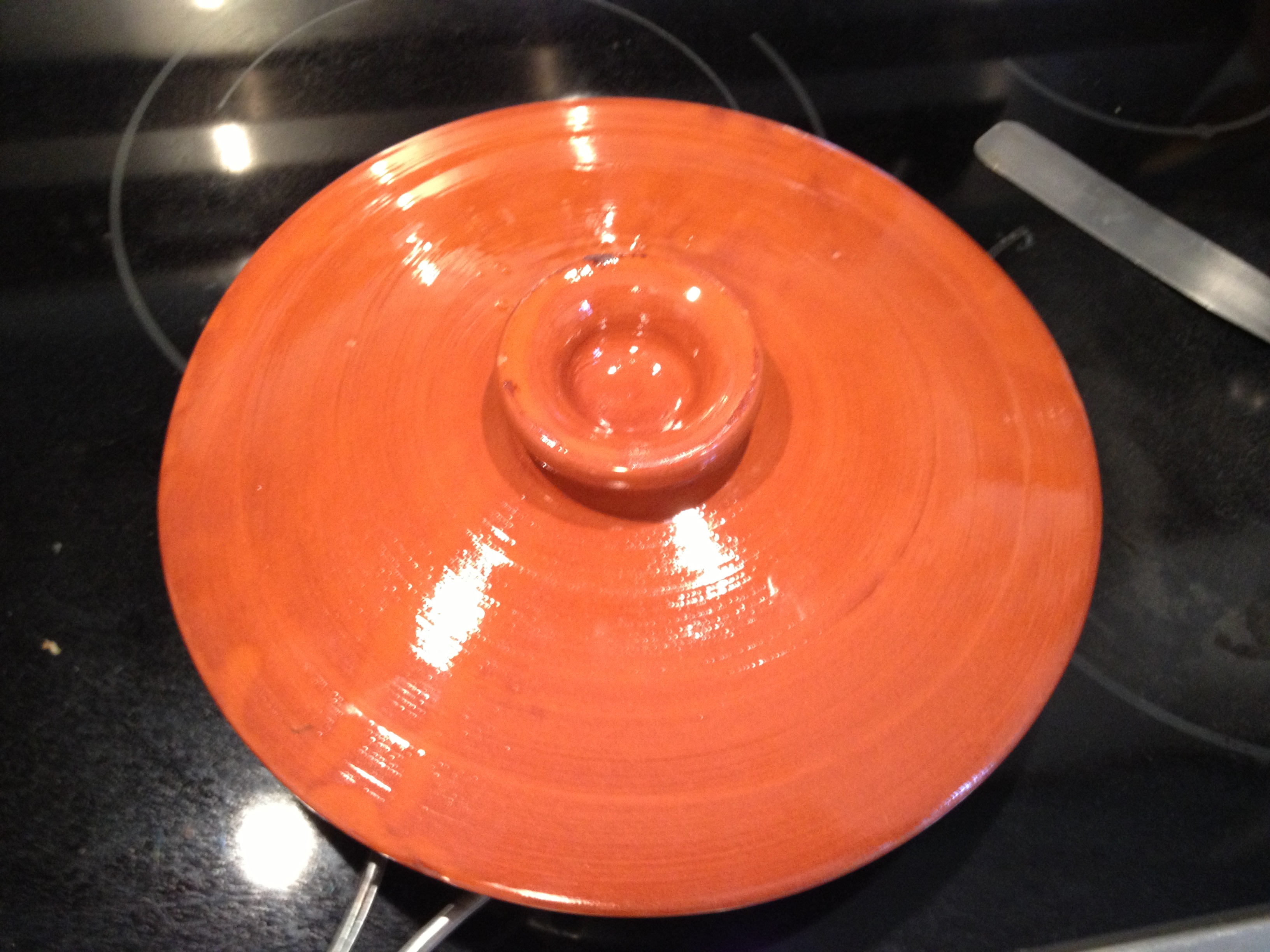
Authenic serving platter inverted onto tortilla

Authenic serving platter inverted onto tortilla


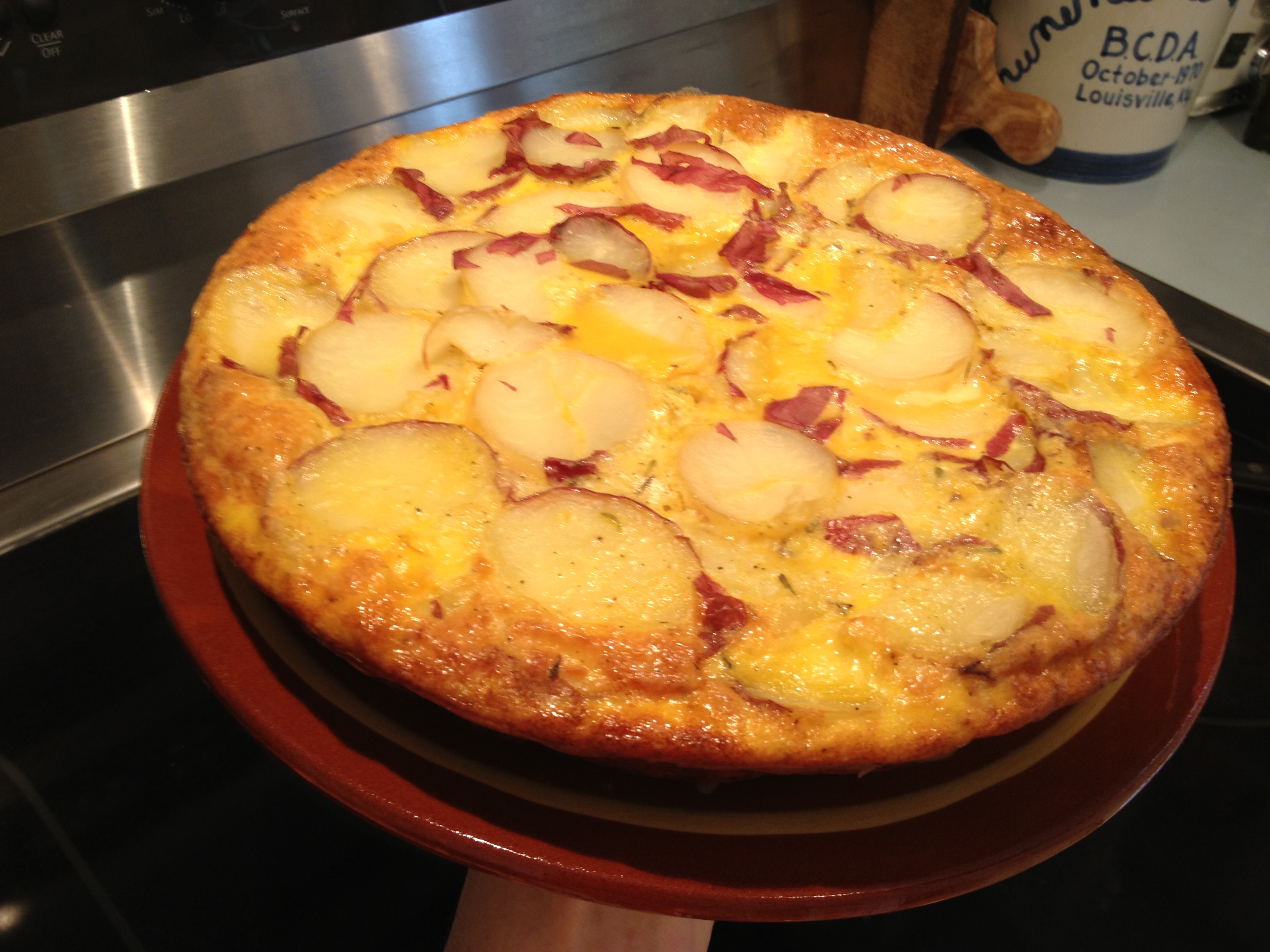
Spanish Tortilla

Spanish Tortilla

1 pound fresh sweet mini peppers, halved & roasted or 2 cups bottled roasted red peppers in brine, drained and cut into 2 inch x 1 inch pieces

1 pound small round potatoes

12 large eggs

1 cup milk (optional soy milk, almond milk, or heavy cream)

2 ½ cups grated manchego and romano cheeses

1 teaspoon salt

½ teaspoon pepper

2 teaspoon dried thyme leaves or 2 Tablespoon fresh thyme leaves

2 tablespoons olive oil

1 medium size yellow onion, chopped

4 large cloves garlic, minced or pressed

Classico brand Spicy Tomato Sauce with red peppers

  • Preheat oven to 350 degrees with rack in upper third.
  • In a large saucepan place potatoes and cover with water. Bring to a boil.
  • Simmer until potatoes easily give to a fork prick, about 5-10 minutes.
  • Drain and cool on a towel to room temperature.
  • Peel potatoes if desired. Set aside.
  • In a large bowl whisk together eggs, milk, cheese, salt, pepper and thyme.
  • In an oven safe 10-inch non-stick skillet, heat olive oil.
  • Saute onion until tender. Add garlic and stir ½ minute. Do not brown garlic.
  • Add the roasted mini peppers and heat through and stir.
  • Over medium heat pour the egg mixture over the peppers.
  • Cook until edges are set, a few minutes.
  • Slice the potatoes in 1/4 inch slices.
  • Layer the potatoes over the egg mixture. They will sink just under the surface.
  • Place in the oven and bake until the center is set. An inserted knife should come out clean. The edge should be puffed and golden in spots. Cool at least 10 minutes.
  • This can be served in wedges from the sauté pan, or inverted onto a platter.
  • Serve hot with a roasted red pepper tomato sauce.

Makes 8-10 entrée size servings or 12 tapas servings

Fideua/Spanish-Style Toasted Pasta with Aioli: The Authentic Version!


This is the true version of a type of paella made with thin short pieces of pasta rather than rice. Toasting the raw pasta adds a deep earthy flavor. It does remind me of Rice-a-Roni, but with better taste. A shallow paella pan is the best cooking pan to use, but a large sauté pan works too, the larger the better.

Sauté onion


Add drained, minced tomatoes 


Add garlic and spices


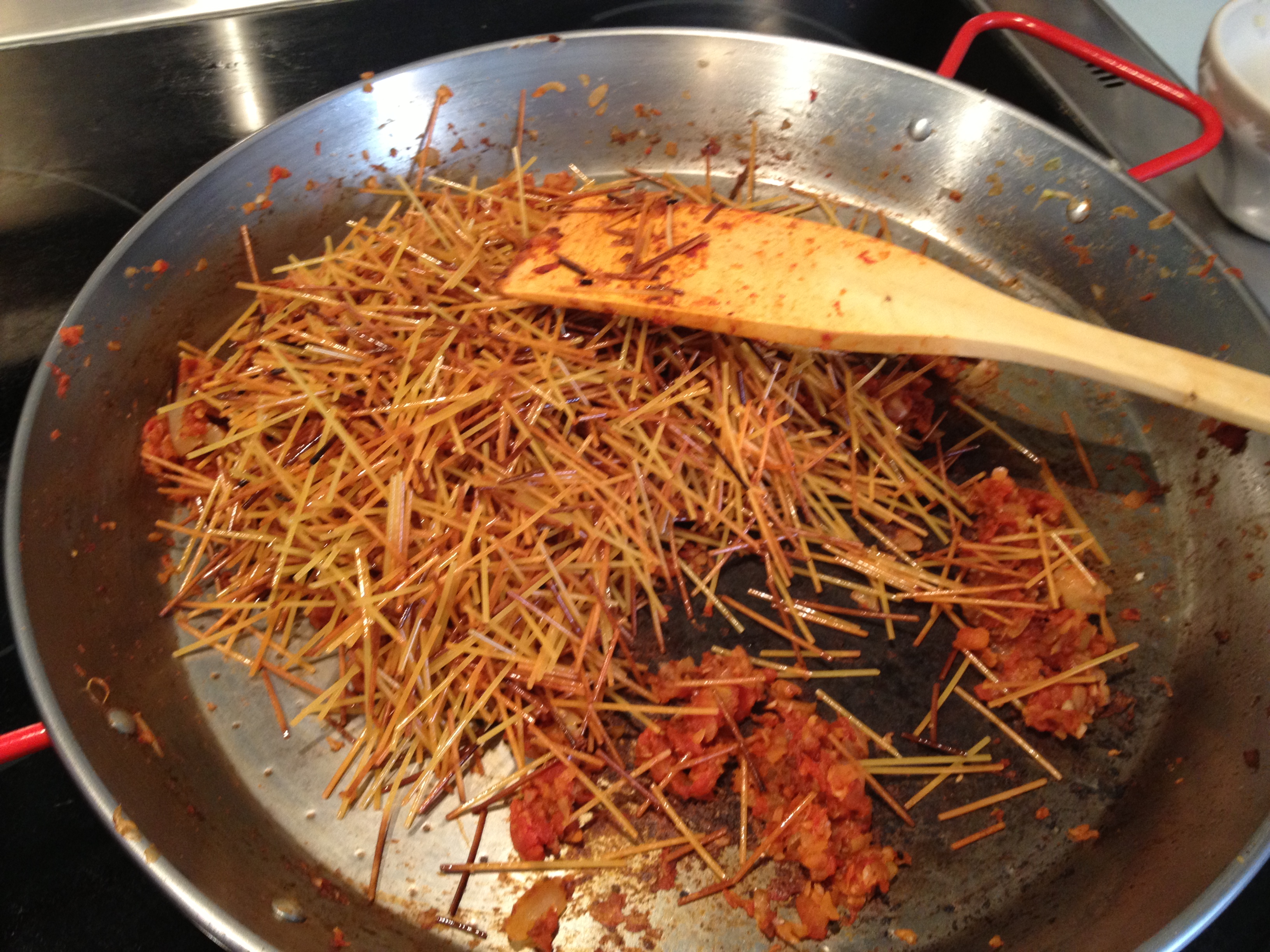
Add the toasted thin spaghetti 

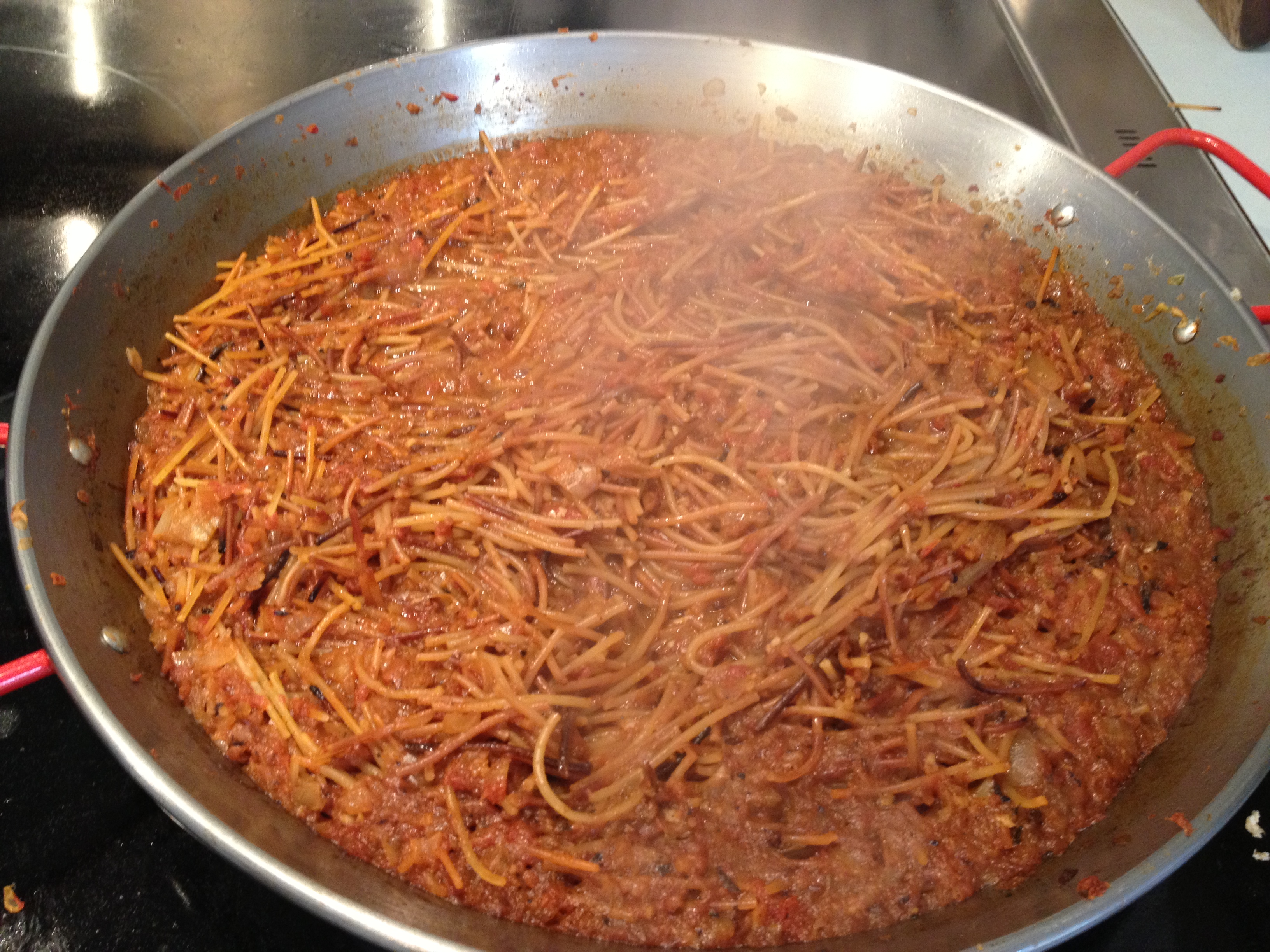
Add the toasted pasta to the browned tomato/onion/seasoning mixture

Add the toasted pasta to the browned tomato/onion/seasoning mixture

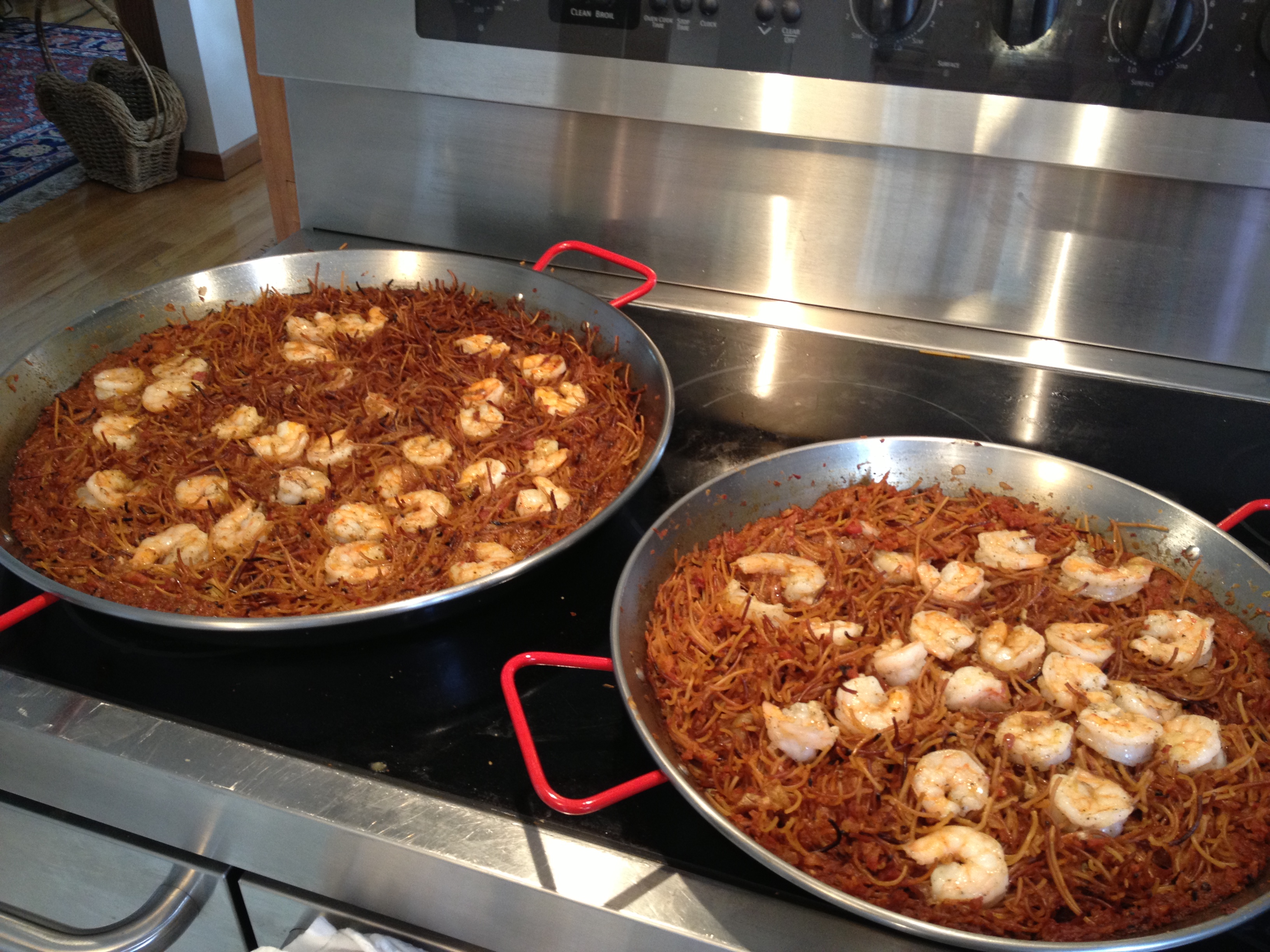
Pasta is ready to add the shrimp

The broth and wine have been added, the fideau has simmered and is ready to add the shrimp.

Add the shrimp marinated in garlic, olive oil & salt

Add the shrimp marinated in garlic, olive oil & salt

Broil the shimp until it turns pink

Broil the shimp until it turns pink

The Fideau rests!

The Fideau rests!


Fideau! /Spanish-Style Toasted Pasta
I doubled this recipe to fill my 17 inch paella pan

3 tablespoons plus 2 teaspoons olive oil

1 tablespoon minced or pressed garlic

Salt and pepper

1 pound or more extra large shrimp, raw,deveined with shells

2 ¾ cups water

1 cup  clam juice of fish stick (this is essential for the best flavor)

2 bay leaves

8 ounces spaghettini or thin spaghetti

1 medium yellow onion, finely chopped

1-14.5 ounce can diced tomatoes, drained thoroughly and finely chopped

1 teaspoon paprika, or more

1 teaspoon smoked paprika, or more

1 teaspoon anchovy paste, or more

¼ cup Spanish white wine, or more

Chopped parsley and lemon wedges, optional

Aioli: 1/2 cup Hellmann’s Mayonnaise, 2 teaspoon minced garlic and 2 teaspoons fresh lemon juice. Serve with the Fideau at the table.

  • Cut the spaghetti into 2 inch lengths. Using a kitchen towel, loosely fold 4 oz  spaghetti keeping it flat. Twist the towel around at each end. Position so 1-2 inches of pasta rests on the counter and remainder hangs off edge. Pressing bundle against the counter, press down on long end of towel to break strands into pieces, sliding bundle back over edge after each break. Pour into a bowl and repeat with remainder of pasta.
  • Remove shells from shrimp. Place shells in a microwave proof medium bowl. Place shrimp in a medium ceramic or glass bowl.
  • To the shrimp add 1 tablespoon olive oil, 1 teaspoon garlic, ¼ teaspoon salt and 1/8 teaspoon pepper. Mix and refrigerate.
  • To the shells add the water, clam juice and bay leaves. Cover and microwave until liquid is hot and shells have turned pink. Set aside.
  • In a broiler safe 10 skillet or paella pan, toss spaghettini and 2 teaspoons olive oil over medium high heat. Stir frequently until browned to the color of peanut butter. Place in a bowl.
  • Wipe out skillet. Heat remaining 2 tablespoons oil in skillet over medium-high heat. Add onion and ¼ teaspoon salt. Saute until softened and turning brown.
  • Add drained and chopped tomatoes and cook, stirring, until mix is thick, dry and slightly darkened, about 6 minutes. Reduce heat to medium and add remaining garlic, paprika, smoked paprika and anchovy paste. Cook until fragrant, about 1 minute or less, stirring.
  • Add spaghettini and combine.
  • Turn on broiler and adjust rack 5-6 inches from element.
  • Pour broth through a fine strainer into the skillet. Add wine, ¼ teaspoon salt and ½ teaspoon pepper. Stir well. Increase to medium high heat and bring to a simmer
  • Cook uncovered,lightly stirring occasionally, until liquid is thickened and pasta just tender, 8-10 minutes.
  • Scatter shrimp over pasta and partially submerge shrimp. Place skillet under broiler until shrimp are opaque and surface of pasta is dry with crisped browned spots, 5-7 minutes.
  • Remove from oven and let stand uncovered 5 minutes.
  • Sprinkle with parsley and serve immediately with lemon wedges if you like.
  • If using a paella pan, serve at the table.
  • This is the same recipe as paella. Use short grained arborio rice or short grained brown rice and follow the same recipe. The brown rice will need to cook longer.
  • I have used the traditional carbon steel paella pan from Spain. This requires special seasoning with oil before and after each use. I also have used a traditional stainless steel 10 inch skillet for this recipe. The paella pan is more authentic.
  • When making paella, it’s all about the rice. It needs to stick to the paella pan and be scraped off with a metal spatula.

Serves 4 main entrees or 16 tapas.

Adapted from CooksIllustrated.com     July 2012